
Responsible Gaming
1win is committed to providing a safe and controlled environment for all players in India. Gambling can be an enjoyable activity when approached with awareness and clear personal boundaries. The platform offers a range of tools to help players stay in control of their time and spending. Player safety and well-being are central to how 1win operates. Understanding the available safeguards is the first step toward a balanced and informed experience.
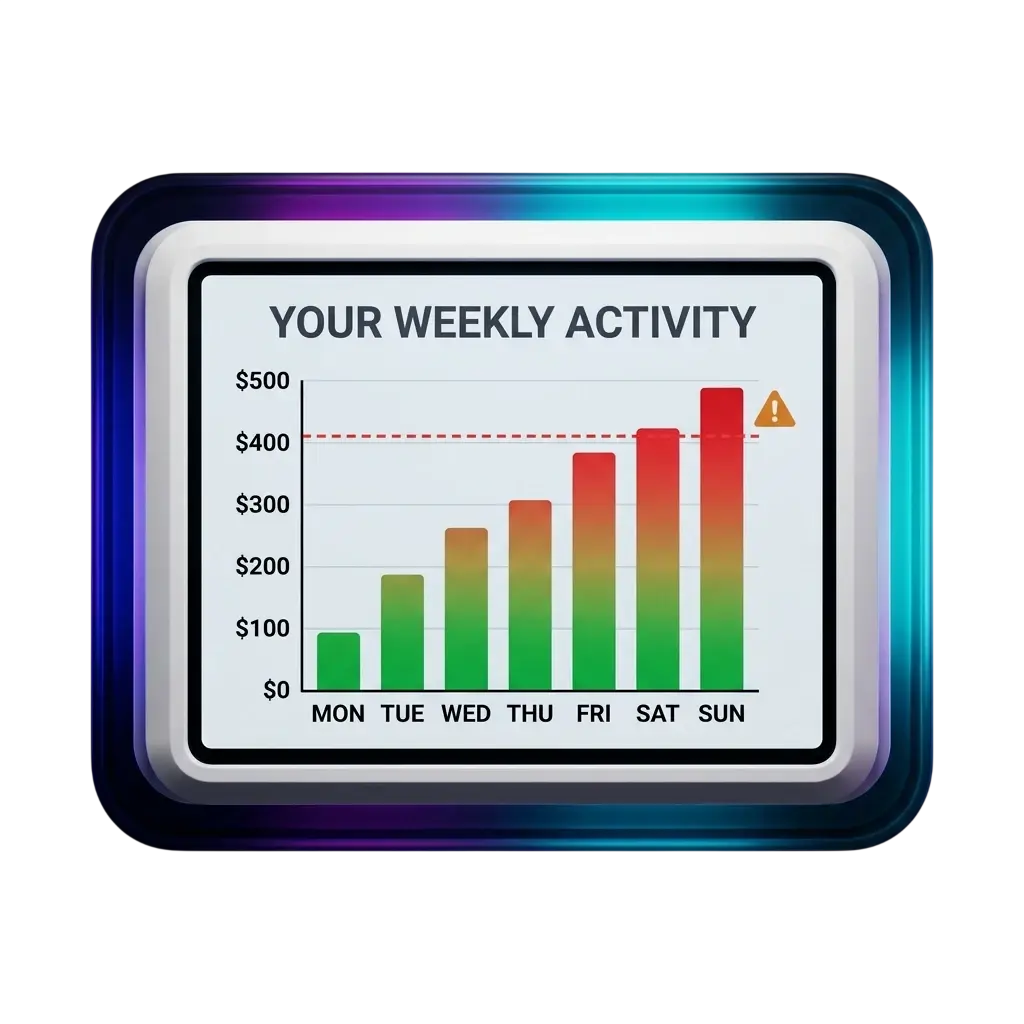
Basic Principles of Safe Gambling
Every form of gambling carries an inherent risk of financial loss. No outcome can be guaranteed, and no strategy eliminates that risk entirely. Responsible gambling begins with accepting this fact and setting firm personal boundaries before placing any bet.
1win encourages all players to approach gambling as a leisure activity, not a source of income. The following principles support a healthier relationship with gambling:
- Set a fixed budget for gambling and never exceed it;
- Treat any losses as the cost of entertainment, not as debts to recover;
- Take regular breaks to avoid prolonged or impulsive sessions;
- Avoid gambling when feeling stressed, upset, or under the influence of substances;
- Keep track of the time and money spent on gambling activities;
- Never chase losses by placing larger or more frequent bets;
- Use the responsible gambling tools available on the platform to enforce personal limits;
- Keep gambling separate from financial obligations and daily responsibilities;
- Talk openly with trusted people if gambling begins to feel compulsive;
- Review your gambling habits periodically to ensure they remain within healthy boundaries.
Signs of Betting Addiction
Gambling addiction is a recognised behavioural condition that can develop gradually and affect people across all backgrounds. Early awareness of warning signs is essential for timely intervention and effective support.
The following indicators may suggest a gambling problem:
- Spending more money on gambling than originally planned or budgeted;
- Feeling a persistent urge to bet even after significant financial losses;
- Lying to family members or close friends about the frequency or scale of gambling;
- Borrowing money or selling personal belongings to fund gambling activities;
- Neglecting work, studies, or personal relationships due to time spent gambling;
- Experiencing irritability, anxiety, or restlessness when attempting to reduce or stop gambling;
- Using gambling as a way to escape from stress, personal problems, or negative emotions;
- Making repeated unsuccessful attempts to control or stop gambling behaviour;
- Continuing to gamble despite being aware of the negative consequences;
- Feeling a need to bet with increasingly larger amounts to achieve the same level of excitement.
If several of these signs are present, it is strongly advisable to seek professional support without delay. Addiction is a serious condition, and early help leads to significantly better outcomes.
How to Address Betting Addiction
1win provides practical tools and guidance to help players manage their gambling behaviour and prevent addiction from escalating. Taking proactive steps is key to maintaining a safe and balanced relationship with gambling.
The following recommendations can help protect against the development of a gambling problem:
- Use deposit limit tools available on the platform to cap the amount spent over a set period;
- Activate session time limits or reminders to prevent extended gambling sessions;
- Request a temporary cooling-off period or self-exclusion if gambling feels out of control;
- Keep a personal record of all gambling activity, including time spent and amounts wagered;
- Speak with a trusted person about your gambling habits to maintain external accountability;
- Avoid using gambling as a coping mechanism for emotional difficulties;
- Engage in alternative leisure activities to reduce the impulse to gamble;
- Contact the 1win support team to learn about available account restriction options;
- Seek professional help from a qualified counsellor or therapist specialising in behavioural conditions;
- Review and adjust personal limits regularly to ensure they reflect your current financial situation.
Resources for Getting Help
Professional support is available for anyone in India who is concerned about their gambling behaviour or that of someone close to them. Reaching out to a specialised organisation is a constructive and confidential step toward recovery.
The following organisations offer guidance and assistance:
- iCall (Tata Institute of Social Sciences) – a professional psychological counselling service available across India: https://icallhelpline.org;
- Vandrevala Foundation Helpline – a 24/7 mental health helpline providing free support in multiple Indian languages, reachable at 1860-2662-345: https://www.vandrevalafoundation.com;
- NIMHANS (National Institute of Mental Health and Neurosciences) – a leading mental health institution in Bengaluru offering specialised addiction treatment and counselling: https://nimhans.ac.in;
- Gamblers Anonymous India – a peer support network for individuals affected by gambling addiction, offering group meetings and confidential assistance: https://www.gamblersanonymous.org;
- Snehi – a mental health organisation providing emotional support and crisis intervention services across India, reachable at 044-24640050: https://snehi.org.
Customer Support
Players who are experiencing difficulties related to gambling behaviour are encouraged to contact the 1win support team directly. The team can assist with account restrictions, self-exclusion requests, and guidance on using responsible gambling tools.
The following channels are available for reaching 1win support:
- Live Chat – available directly on the 1win website and mobile application for immediate assistance;
- Email Support – players can send detailed queries or requests to the official support email address listed on the platform;
- Help Centre – the 1win Help Centre contains detailed guidance on responsible gambling tools, account controls, and self-exclusion procedures.
Updated: